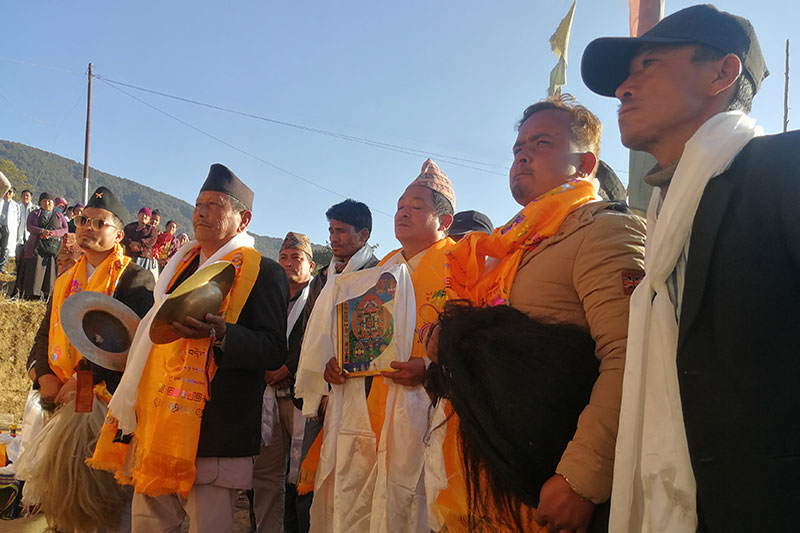
Helambu's Vibrant Culture
Since the local population comprises mostly the Hyolmo communities, the culture and traditions in Helambu is heavily influenced by their way of life. The primary religion is Tibetan Buddhism of the Nyingmapa school, intermixed with animism and paganism as incorporated within the general dimensions of Bon. The Hyolmo language shares high lexical similarities with Sherpa and Tibetan. It is traditionally transcribed in the Sambhoti (Tibetan) script, but many modern academics use the Devanagari script as well. The Yolmo language is also very closely related to Kagate, another language of the Kyirong-Kagate language sub-group.
The Hyolmo people are primarily agriculturalists. Potatoes, radishes, and other crops, as well as milk and flesh from the yak that the Yolmos are known to herd, are their primary sources of nutrition. The primary festivals celebrated in the region are below.
Sonam Lhosar
Sonam Lhosar is the most important festival in Helambu and is celebrated with pomp and joy by both the Hyolmo and Tamang communities in the region. It falls on the second new moon after the winter solstice which is usually the Magh Sukla Pratipada based on the eastern lunar calendar and marks the beginning of a new year in the traditional calendar. Families and relatives get together and visit monasteries and stupas with offerings and flowers, and dead loved ones are paid homage and respect meanwhile, special rituals with mask dance are performed to drive away evil spirits. The houses and surroundings are cleaned to welcome gods and goddesses. Various programs and events are organised in each traditional village, where people flock to feast and make merry together.
Falls around February each year.
Buddha Jayanti (Lord Buddha's Birthay)
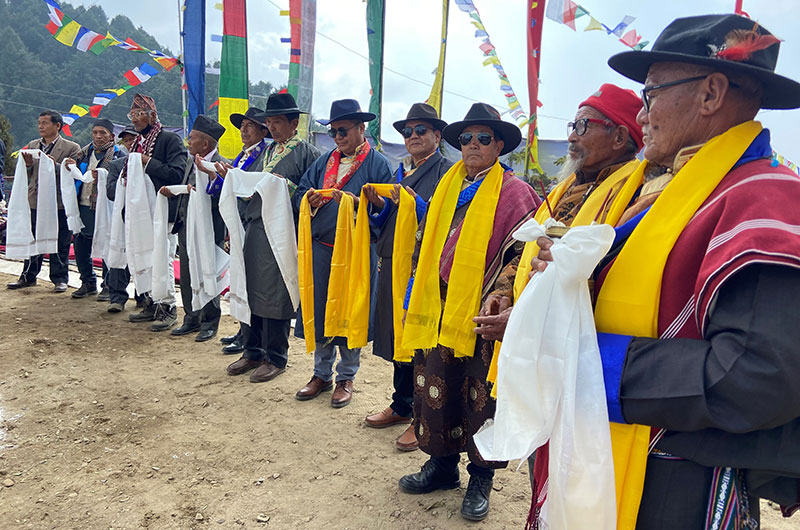
Buddha Jayanti or Buddha Purnima marks the birthday of Lord Gautam Buddha. Men women and children gather in village monasteries and sacred monuments to offer prayers and offerings. While lamas (monks) and religious heads chant Buddhist hymns and perform rituals for all to partake. It is usually followed by the distribution of “chho” or prasad, charity activities, feasts and celebrations.
Falls on the full moon of April or May based on the Lunar calendar.
Tshechu (Fullmoon Festival)
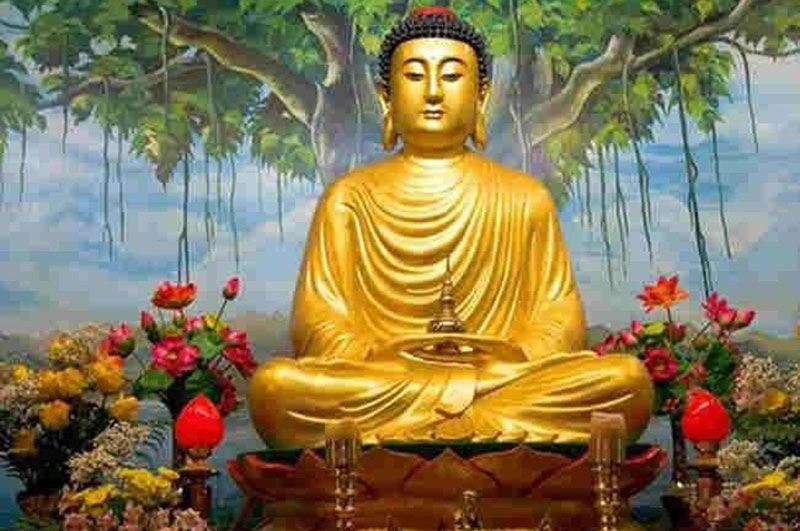
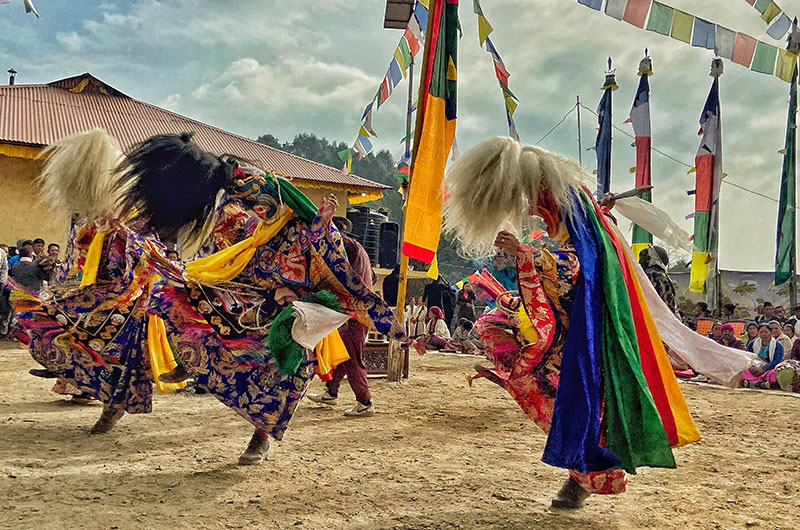
Tshechu festival, also known as Chhechu is widely celebrated by the Hyolmo community in the Helambu region. This festival is celebrated by the neighbouring villages of Sermathang, Tarkeghyang, Melemchighyang, Nakote, Kutumsang, Ghangyul, Tshengyunche, Tapkharka, and Kaje. It is observed every year for eleven days following Sonam Lhosar, beginning from the Panchami (5th day of the Lunar calendar) till the Purnima (full moon). This festival also marks a new year for the community. It is celebrated to commemorate the birth anniversary of Guru Rimpoche or Mahaguru Padmasambhava. The Tsechu festival begins with large social gatherings of people from nearby villages. The locals witness the festival by organizing bonfires and feasts, a good excuse to socialize and enjoy the presence of each other. The festival is known for its traditional mask dances. In the rhythm of the folklore and musical instruments, the Lamas chant mantras accompanied by traditional music during which the dancers wear elaborate costumes along with wooden masks. The dances are performed to symbolize the demons and deities. The rest of the community also joins in singing and dancing while forming a circle and holding each other’s arms, a dance known as Syabru. The community rejoices with great enthusiasm and the festival continues from morning until late evening.
Dashain & Tihar
Though it isn’t very popular amongst the Hyolmo communities, Dashai/ Tihar is celebrated by some Tamang households and other Hindu communities in the villages of Kakani, Menjye and Palchowk.
Falls on September or October based on the Hindu Tithi.