The Hyolmos believe in existing in harmony and peace with nature. It is a moral obligation for all visitors to honour and respect local beliefs and customs, to not engage in any activities that would harm or disrupt the balance in nature and to leave behind as little a carbon footprint as possible.
The Hyolmos are warm and friendly-natured, try your best to engage with the local people you meet through words or actions, and you will ensure a fantastic experience for yourself and for the locals. Remember, you are just as much an attraction for them as they are for you.
Pay attention to the importance of the landscape and remember that nature and surroundings are equally as important as the guardians of that space. Try to find out what the connection is between the land and the people, and learn about their cultures and traditions regarding their land. This will enrich your trip and help you better understand how people live in the area.
Engagement also shows your respect for fellow people and showcases your interest in their lives, which instils a sense of pride and an understanding that they are an important part of the experience. It also helps preserve cultures, as locals realize that the retention of cultures is important for tourism.
Slaughtering of animals for meat or recreation (hunting) is prohibited and frowned upon in the Hyolmo regions and tourists should adhere to the prohibition.
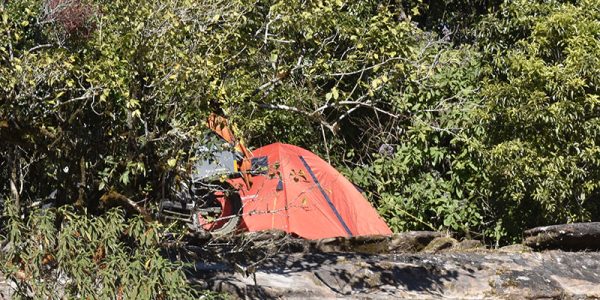
Similarly, the unnecessary cutting down of trees, damaging vegetation for camping woods, or by causing forest fires should be avoided at all times.
Decent decorum must be maintained while visiting sacred ruins, monoliths and other religious sites. The Hyolmos worship nature (mountains, caves, water sources) as part of their belief, visitors must consider these when relieving themselves during treks and hikes.
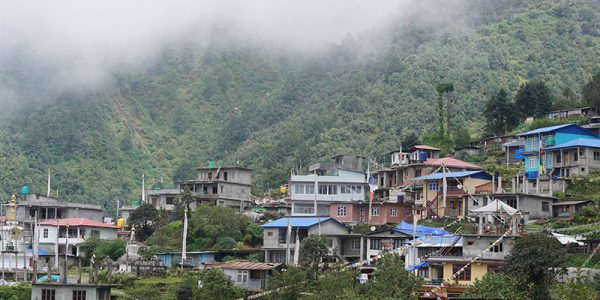
Much of Helambu often falls inside Langtang National Park or its fringes, visitors must get hold of necessary passes and permits to avoid any restrictions or discomfort later.
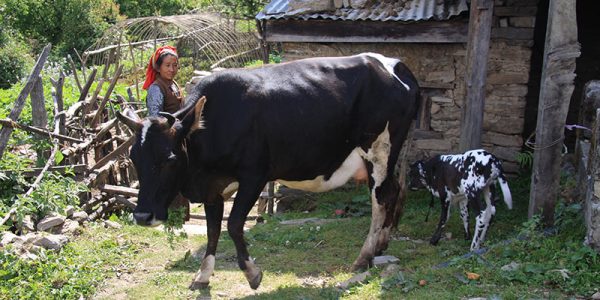
Contribute to the local economy. One of the best ways to be socially responsible when you travel is to ensure that your dollars get distributed into the local economy. For this to happen, the onus is on you, the traveller, to be aware of the country, how it functions, and how to spend your money so that it reaches the local economy.
Considering you are a traveller in a new land, it’s hard to know how to maximize your contributions, but even having a consciousness to do it better is a big step in the right direction.
Leave no trace. You don’t have to be a die-hard activist to be a responsible traveller. From a responsible tourism perspective, it is important that your visit to the area is not a harmful one. Every visitor has a small impact on the land and its people, of course—there is no such thing as zero impact. But it’s up to you to keep the impact as positive as possible.